

Let’s End Cancer
Cancer impacts people of every age—from infants to the elderly—across all communities.
More than 1,600 people die each day at the hands of this terrible disease. This number is unacceptable, and we are committed to funding innovative, early stage and established cancer research that promotes early detection, enhances treatment and improves outcomes.
We also focus on underfunded areas of research, including rare cancers, improving outcomes for underserved communities and children’s cancer. We emphasize collaboration amongst individuals and institutions; accessibility to clinical trials for underserved communities; and support tenacious, entrepreneurial scientists focused on the development of affordable, accessible treatments.

Applying for a Grant?
The Kuni Foundation is committed to supporting and advancing the Pacific Northwest’s vibrant cancer research ecosystem and accepts proposals only from institutions based in Oregon and Washington. Grant proposals that demonstrate a commitment to collaboration across multiple departments or institutions receive priority, and collaborative efforts can include institutions outside of our region. Please note that endowments or annual fund appeals are not eligible for funding.

Kuni Foundation Cancer Research Fellows
Advancing the Next Generation of Innovation and Leadership
Our founder Wayne Kuni was a dedicated mentor who prioritized supporting the next generation of leaders. He invested his time and talent in the growth of others and took great delight in their achievements and success—especially when they disrupted the status quo. Launched in 2024, the Kuni Foundation Cancer Research Fellows award reflects Wayne’s investment in the potential of people, his commitment to mentoring, and his entrepreneurial, innovative approach to building economic and community vitality.
The Fellows award is designed to empower the next generation of bold, transformative researchers. Fellows are chosen from existing grant recipients to receive an unrestricted, two-year $300,000 award ($150,000 per year).
Investing in the development of new leaders is vital to accelerating innovation and sustaining the future of our cancer research workforce. Many work at the intersection of disciplines, enabling faster translation of basic discoveries into clinical applications that improve patient outcomes. These scientists also bring new perspectives, novel methodologies, and a willingness to challenge established assumptions and systems. Supporting their work with unrestricted funding increases the likelihood of breakthrough discoveries that can open entirely new directions in affordable and accessible cancer prevention, diagnosis, and treatment.
We invite you to learn more below about the catalytic work of our Cancer Research Fellows.

2025 Award Recipients
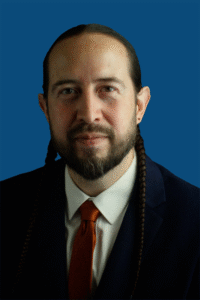
Claymore Kills First, Pharm.D., BCOP
Assistant Professor of Division of Oncological Sciences
Oregon Health and Science University
Building Trust, Data, and Community to Reduce Pancreatic Cancer Disparities in Native American Communities
Dr. Kills First is a Research Assistant Professor in the Division of Oncological Sciences and a board-certified oncology pharmacist. His research focuses on identifying and addressing disparities in cancer care for Indigenous populations, including identifying genomic and familial components that increase cancer risk. Dr. Kills First is an expert on the impact of health disparities on Native American communities. His projects are built on authentic collaboration with Tribal communities and governments with a focus on equitable research that upholds Tribal data sovereignty. This approach promotes Tribal member input in research design and utilizes community and cultural resources to increase access to health care.
Pancreatic adenocarcinoma (PDAC) is the third leading cause of cancer-related death in the United States, accounting for 49,830 deaths annually. Native Americans have the worst survival outcomes of PDAC among all U.S. ethnic groups. Contributing factors include decreased access to quality health care and clinical trials, historical traumas, mistrust, and a diverse population with over 570 federally recognized Tribes.
Dr. Kills First’s project engages with nine federally recognized Oregon Tribes and the Northwest Portland Area Indian Health Board to create culturally appropriate research approaches while identifying potential genetic predispositions to pancreatic cancer. His work sets the foundation for a focused and comprehensive research program that aligns PDAC researchers and the Knight Cancer community in collaboration with local Tribes to improve patient care in the Native American population. It has the capacity to inform the field beyond Oregon and improve the quality of patient care and outcomes for Native Americans throughout the country.
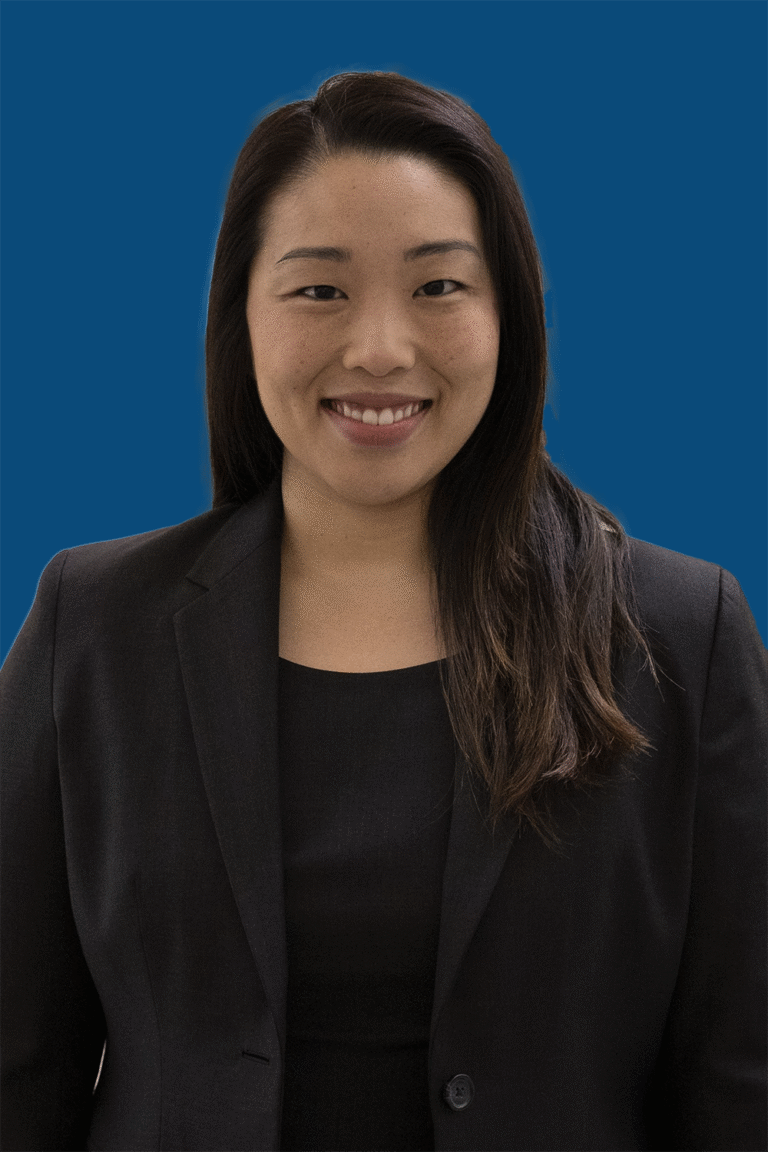
Lisa Tachiki, MD
Assistant Professor
Division of Hematology and Oncology, University of Washington School of Medicine and Fred Hutchinson Cancer Center
Lower Dose, Wider Access: A Breakthrough Approach to Affordable Cancer Immunotherapy
Dr. Tachiki is a medical oncologist who is working to make immunotherapy more affordable and accessible for cancer patients. Her research explores the effectiveness of a safe de-escalation of the dose and frequency of immunotherapy, specifically immune checkpoint inhibitors (ICI), while maintaining treatment effectiveness. This innovative approach is now being evaluated in a phase-two clinical trial.
Dr. Tachiki is working to validate a significantly lower-dose and reduced frequency dosing (RFD) strategy than the current FDA-approved dosing schedules. The rapid expansion of ICI use has driven increased health care costs, raising significant concerns about the financial sustainability of these life-saving cancer therapies. Coverage denials by both private and government insurers are increasing, disproportionately affecting underserved populations.
This effort has the potential to have an immediate impact on cancer patients at a global level, especially those in low- and middle-income countries who cannot currently access ICIs due to prohibitively high costs. A 100-fold reduction in drug cost will make these life-saving therapies affordable to many self-pay patients worldwide and make it more feasible for low- and middle-income countries with nationalized health care systems to add ICIs to their formularies. Decreased costs and less frequent clinic visits with the low-dose RFD approach have the potential to break down barriers for cancer patients to access ICI treatment in the United States, especially underserved populations and rural communities. Improving the affordability and accessibility of immunotherapy for patients could save millions of lives every year.
2024 Award Recipient
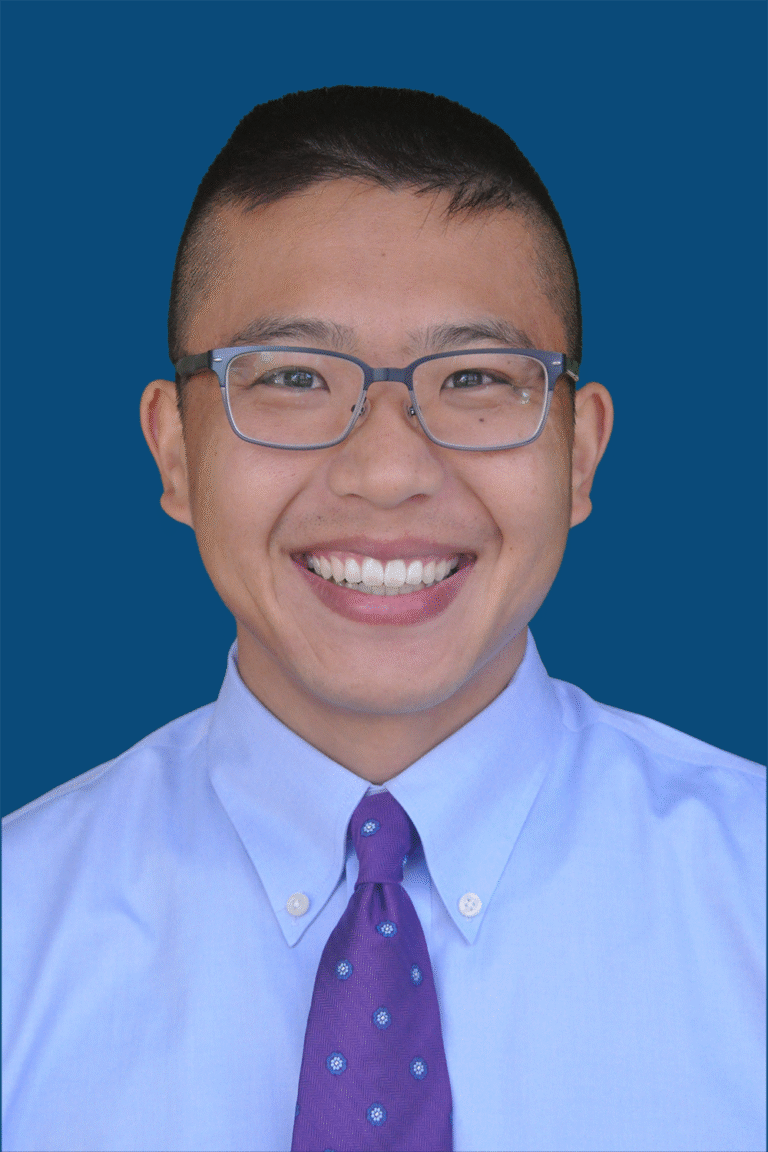
Wesley Yu, MD
Associate Professor of Dermatology
Oregon Health & Science University and the Portland VA Medical Center
Advancing Precision Surgery and Personalized Care in High-Risk Skin Cancers
Dr. Yu specializes in treating skin cancers like basal cell carcinoma, squamous cell carcinoma, and melanoma with Mohs micrographic surgery, a specialized technique with the highest cure rate and best cosmetic outcome for skin cancers on the face or other sensitive areas. He has advanced training in reconstruction and is double-board certified in Dermatology and Mohs micrographic surgery. Dr. Yu leads multiple research projects investigating new treatments for high-risk skin cancers and melanoma that inform his clinical practice and allow him to recommend the best treatments for his patients.
Malignant melanoma remains an increasing global health burden. The five-year survival rate for late-stage disease remains below 30 percent, and there are significant differences in patient responses to treatment. Melanoma rates are rising significantly in the Pacific Northwest, with Washington seeing cases 20 percent higher than the national average and Oregon ranking in the top 10 to 16 states. Despite the region’s overcast reputation, high outdoor activity, thinner cloud cover, and high UV reflection from water and snow contribute to this surge.
Dr. Yu is the Principal Investigator for the ICEMAN trial, the first study in the United States to study personalized surgery for the treatment of early-stage melanoma. This trial compares the three-year local recurrence rate in melanoma patients treated with narrow excision versus wide excision. Importantly, Dr. Yu’s previous studies have contributed to the National Comprehensive Cancer Network guidelines for Mohs surgery for melanoma. His pioneering work is setting a new standard of treatment and care for skin cancer patients.
